AFTER A NUCLEAR BOMB IS DETONATED
If you’re caught outdoors during a nuclear event, remember the golden rule: duck, cover, and try not to become a human shadow on the nearest wall. While running toward the mushroom cloud might seem like a poetic way to go, it’s generally frowned upon by survival experts. Instead, find shelter in the nearest concrete structure, preferably one that doesn’t have floor-to-ceiling windows showcasing the apocalypse in stunning HD.
- ****Get inside quickly! Depending on the distance from the blast, you have between 10 and 30 minutes to get inside before the fallout begins to reach you. All circumstances will depend on how close you are to the blast zone. Find the nearest brick or concrete structure to protect yourself from radiation. Make sure your pets stay inside as well. Look for one with intact windows and doors.
- If your building has windows, doors, or structural damage, and you see a nearby building that you know you can access and reach quickly, please do so.
- Brick and concrete are the best options. If your basement has concrete blocks, you can go into the basement. Anything at the underground level is good, too. If not, proceed to the most interior section of the building and avoid the doors and windows. Stay away from the outer walls and roof.
- Turn off the heating, air conditioning, or any other source of air entering the house. Close all windows. Cover any areas where air might seep in. Do this quickly. You want to be as far away from windows as possible when the fallout comes down. If you don’t have time, skip covering areas where air might get in.
- When inside, find anything to surround yourself with; use it as a barrier. It all blocks radiation. Push the couch to the middle of the room and surround yourself with everything you can find. If you are at work, advise everyone to move to the safest location and push desks, copiers, filing cabinets, and any other available items into the center of the room in a circle. Have everyone immediately go to the center of the circle.
- If you were outdoors after the fallout began and didn’t get inside in time, remove any contaminated clothing and wash or clean any exposed skin and hair before entering a safe location. Put the clothes in a plastic bag for examination later.
THIS IS THE MOST IMPORTANT INFORMATION YOU NEED!
***Time Matters – The Rule of 7 – Radiotypes decay by a tenfold decrease every 7 hours. Stay in your space for a minimum of 24 hours. 1000 in 1 hour, 480 in 2 hours, 10 in 48 hours, etc… The decay happens quickly. The longer you stay, the better. Some say up to 72 hours.
Three key factors will determine how well you will do: time, distance and shielding.
A good thing to know so you don’t panic: The intense light from a FLASH can lead to temporary blindness lasting less than sixty seconds. If this happens to you, please don’t worry. Please remember this and make sure your family knows about it. Do not look at it.
PRE-PLANNING FOR NUCLEAR FALLOUT
***Have a preplanned location inside your house to which you and your family can go. Have a box or prepared supplies there. Put this together now and have it, and forget it. Have a plan should you and your family be outside your home during the blast. (See below)
Also, list things you may not want to keep in your planned location, so you know exactly what to grab in a rush. This might include:
Your gun
Your Ham radio
Your Vodka
Your medication
Is there anything else you need that you only want to store temporarily at that spot?

WATER SUPPLY
Let’s face it, folks—if the apocalypse doesn’t kill you, drinking from that suspiciously glowing puddle certainly will! Post-disaster water often contains more surprises than a mystery novel written by a conspiracy theorist on energy drinks. Luckily for you, our comprehensive water purification solutions ensure you won’t have to choose between dehydration and growing an extra limb.
Our “Apocalypse-Proof” water filters can transform even the most questionable liquid – yes, even that murky stuff behind the abandoned chemical plant –into refreshing, almost-certainly-not-radioactive drinking water! Each filter is rigorously tested against 99.99% of known contaminants and at least 47% of the unknown ones. The remaining 53%? Well, that’s where our “Mutation Insurance Plan” comes in.
NUCLEAR ATTACK BUG-IN BOX
First things first: If your current survival plan involves hiding under a desk like they taught you in those delightfully optimistic 1950s educational films, we regret to inform you that furniture has not evolved radiation-blocking capabilities.
A proper nuclear survival kit should include radiation detection equipment, potassium iodide tablets, and enough duct tape to wrap the International Space Station twice. Remember, duct tape fixes everything except nuclear winter, but we’ll sell you some anyway.
Your shelter needs to be deeper than your ex’s emotional issues. Perhaps the most crucial element of nuclear preparedness is selecting an appropriate shelter. While your neighbor’s fancy underground bunker might seem like the ideal destination, showing up uninvited post-detonation is generally considered poor apocalypse etiquette. Instead, consider constructing your own shelter using our “Weekend Nuclear Bunker Kit” – just add concrete, determination, and a complete disregard for your property values!
****Please keep your box ready in the designated location or near it, where you will all immediately go if a nuclear blast occurs.
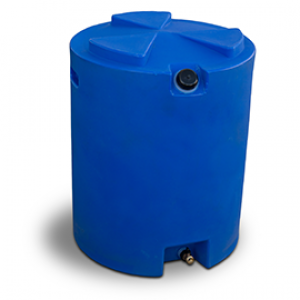
- Bottled water – enough for everyone for three days. What if you had company? Add extra, just in case.
- Food that stores easily, like canned beans or anything that will last for a while, will not attract rodents.
- Survival food packages and extra water. You can still eat the food by soaking it. It will be cold but nutritious.
- A hand-cranked radio or radio with batteries kept outside the radio for now.
- Blankets and pillows
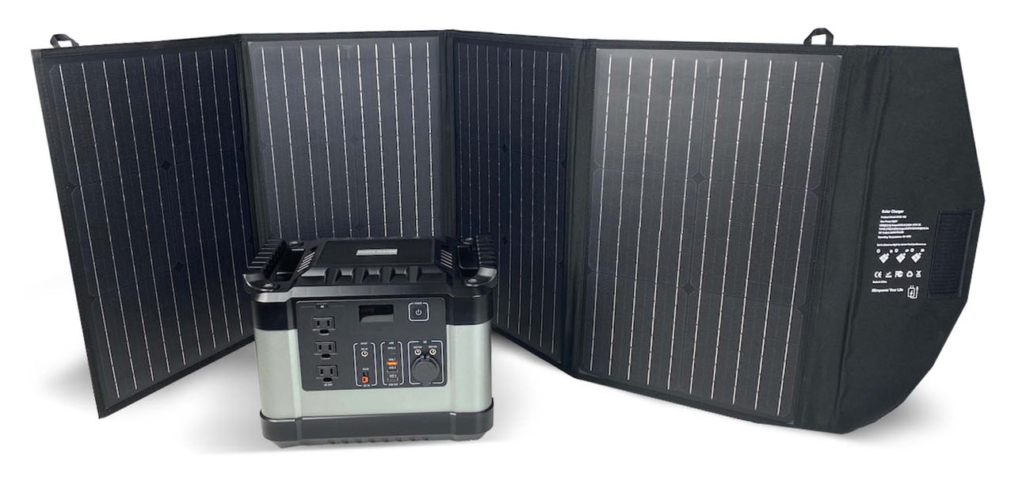
- Battery-operated headlamps and a battery lantern for each person.
- Book, pens, pencils, crossword puzzles, coloring books for the kids. Simple, inexpensive things to keep everyone’s mind occupied.
- Potassium Iodide pills
- Flashlights and extra batteries
- First aid kit
- Radiation meter
Cell phones, television, and internet services may be disrupted or unavailable. Tune into any media available for official information, such as when it is safe to exit and where you should go.
It could be a very long time before food or water is available. The ground that is not covered will be contaminated, and you cannot grow food.
You must rely on the food inside your home since it is not contaminated. Please keep this in mind when you prepare.
YOU SURVIVED THE BLAST FOR 24 – 72 HOURS – NOW WHAT?
AFTER THE ATTACK, EMAIL US SO WE KNOW YOU ARE OKAY
Because we care deeply about your post-nuclear wellbeing, please email us at survivors@nuclearoopsie.com once the radioactive dust settles. Our customer satisfaction team monitors this inbox every third Tuesday during leap years, or whenever the backup generator decides to cooperate. Your feedback helps us improve our products for the next apocalyptic event! (Assuming there is one, and we sincerely hope there isn’t, but we’re in the business of pessimism disguised as preparedness.)
***THE SERIOUS PART
The effects of radioactive fallout don’t occur as suddenly or cause as much destruction and chaos as a nuclear explosion or meltdown. However, there are ways to prepare for them and even strategies to deal with them when they occur.
The nuclear events release radioactive material into the atmosphere. In some cases, these events can spread across multiple wind patterns, resulting in contamination over hundreds or thousands of miles away. Although the effects are usually milder far away from the event’s site, they still have a lasting impact.
***SURVIVING A NUCLEAR WINTER
One hundred nuclear blasts could bring about worldwide nuclear famine. In 2019, a study was published featuring an experiment in which 150 tons of soot were injected into the atmosphere, similar to what would occur after a massive nuclear war. It resulted in about 30-40 percent of sunlight being blocked from reaching the Earth’s surface over the following six months. This caused temperatures to plummet around the globe, with the most extreme example being Iowa, which stayed at 0°C or below for 730 consecutive days. To survive this, you would need to have three years’ worth of stored food.
Due to the severe temperature drop, no growing seasons were possible, leading to an actual nuclear winter. The study’s model predicts that temperatures will stay below 0°C for 730 consecutive days. Growing any food will be impossible, and precipitation is drastically reduced in a full-blown nuclear winter.
90% of the world’s population would die very quickly. We know people who say they would walk right out into it and hope they die quickly. Some would not want to survive, whereas others have an intense survival instinct. We are the latter.